

Its March 2026 and if your business feels like it’s walking a tightrope between rising costs, slow sales and KRA’s ever-tightening digital net, you’re not alone.
Inflation hovers around 5%, interest rates are easing but still bite and many SMEs are operating on razor-thin margins. Yet KRA is ramping up enforcement with automated validation, eTIMS crackdowns and stricter Tax Compliance Certificate (TCC) rules. Falling behind now doesn’t just mean penalties – it can mean losing your TCC, blocked tenders or frozen accounts when cash is already scarce.
The good news? Smart compliance isn’t about paying more – it’s about paying smarter and avoiding costly surprises. In this tough economy, staying compliant can actually protect your cash flow and give you a competitive edge. Let’s break it down practically, with real steps you can take today.

Why Tax Compliance Feels Harder in 2026’s Tight Economy
Kenya’s economy is showing resilience (GDP growth around 5% projected), but many businesses are squeezed by high operating costs, unpredictable demand and tighter credit. At the same time, KRA is pushing hard to expand the tax base – only about 7 million of 22+ million registered taxpayers are actively paying.
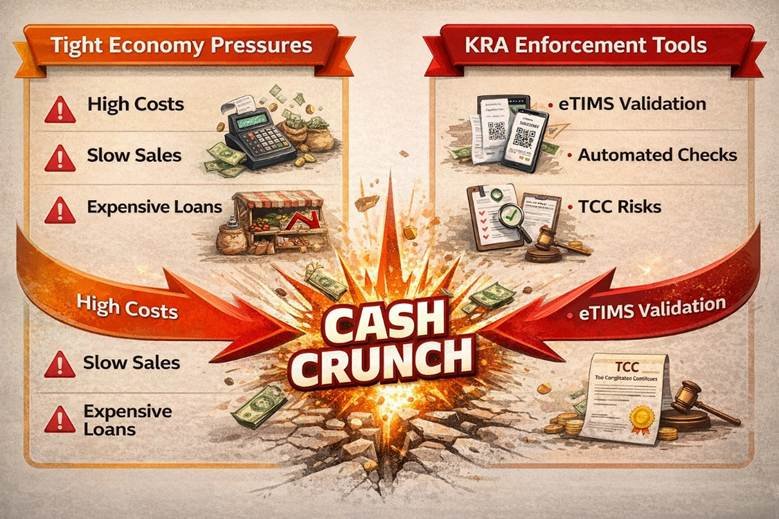
Key pressures hitting SMEs right now:
- Automated validation of income & expenses (live since Jan 2026) – No valid eTIMS invoice? That expense gets added back as profit, inflating your tax bill.
- eTIMS enforcement – Informal suppliers or missing electronic invoices = disallowed deductions and higher taxable income.
- TCC risks – Outstanding liabilities, late filings or invoicing gaps can cost you your compliance certificate, blocking bank facilities, tenders and even imports.
- Potential VAT expansion – Talks of removing the KSh 5 million threshold could bring more small traders into the 16% VAT net.
- Simplified but stricter options – Turnover Tax (TOT) tweaks (daily M-Pesa payments) and phased filing aim to help, but non-compliance still triggers penalties and interest that compound fast when cash is tight.
In short: The economy is tight, but KRA’s digital tools make non-compliance more expensive than ever. One disallowed expense or late filing can trigger a cash-flow crisis when you’re already borrowing at high rates.
Smart Strategies to Stay Compliant (and Protect Cash Flow)
You don’t need a big finance team or huge budget to stay on top. Here’s what actually works for Nairobi SMEs in 2026:
- Make eTIMS Your Daily Habit, Not a Deadline Rush Issue and demand compliant electronic invoices for every transaction. Train your team (or one reliable person) to verify PINs and QR codes. Switch to suppliers who are already eTIMS-ready – it might cost a bit more upfront but saves you from disallowed expenses later.
- Reconcile Early and Often Request your eTIMS, withholding and customs summaries from your KRA account manager monthly. Reconcile against your books before filing. Catching mismatches early prevents nasty surprises during automated validation.
- Build a Tax Escrow Habit Set aside a percentage of daily/weekly revenue specifically for VAT, PAYE, TOT, NSSF, SHIF and Housing Levy. Treat it like rent – move it to a separate account the moment money comes in. This prevents the “we’ll pay later” trap that leads to penalties when cash gets tight.
- Leverage KRA’s Simplifications
- Use daily/weekly TOT payments via M-Pesa or USSD *222# if you qualify – it aligns better with your cash flow.
- Explore the Automated Payment Plan (APP) for any arrears – spread payments over months instead of one lump sum.
- Take advantage of phased, personalized filing support in 2026 for less last-minute stress.
- Get Proactive Professional Help A good tax advisor can review your setup quarterly, spot risks, and help structure deals to protect margins. It’s far cheaper than fighting an assessment or losing your TCC.
Real impact we see with clients: Businesses that reconcile monthly and go full eTIMS cut compliance-related stress by 50%+ and avoid 20–40% extra tax from disallowed claims.
The Bigger Picture: Compliance as a Survival Tool, Not a Burden
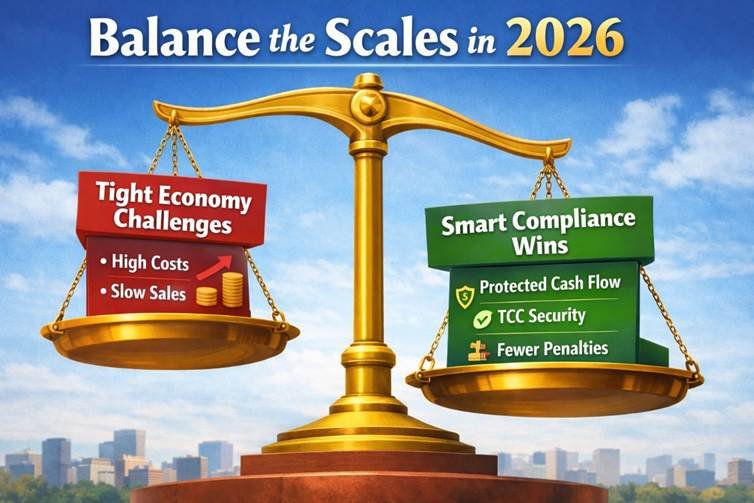
In a tight economy, every shilling counts. Non-compliance doesn’t just cost penalties – it can block growth (no TCC = no tenders or easy credit). Compliant businesses, on the other hand, build trust with banks, suppliers and partners, and sleep better knowing surprises are minimized.
KRA’s push (automated checks, wider base, simplified options for small traders) aims to make the system fairer long-term. Your role? Adapt early so compliance becomes routine, not a crisis.
As Seal Associates, we help SMEs turn these rules from headache to habit – reviewing setups, reconciling data and building simple systems that fit tight cash flows.
What’s Your Next Move?
In Nairobi’s grind, staying compliant isn’t about being perfect – it’s about being prepared. Review your eTIMS status this week, set up that tax escrow and reconcile your records before the next filing deadline sneaks up.
What’s your biggest tax compliance worry right now – eTIMS, cash flow for payments or something else? Drop it in the comments. We’re happy to share practical tips tailored to your situation.
Let’s keep our businesses running strong – compliant, resilient and ready for growth when the economy loosens up.
Prepared by Seal Associates